
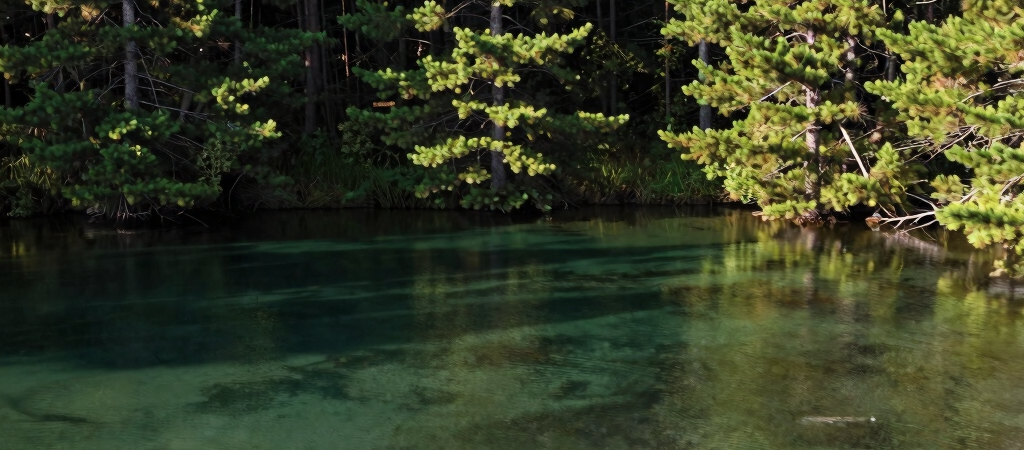
Early spring transitions bring rapid shifts in bass behavior as rising water temperatures trigger movement out of deep winter haunts. Identifying key shallow-water holding areas allows anglers to locate active fish before summer weed growth covers the shorelines. Understanding seasonal patterns transforms guesswork into a structured approach on every outing.
Tracking Spring Water Temperature Shifts
When lake temperatures hover between fifty and sixty degrees Fahrenheit, bass move into protected northern bays that receive the maximum daily sunlight. Shallow mud flats, dark rock banks, and decaying vegetation absorb heat rapidly, drawing baitfish and predator species into short water depths. Monitoring surface temperature readings helps pinpoint shallow bays warming faster than main lake channels.
Selecting Lures for Cool Shallow Bays
Cooler spring water slows down a fish metabolism, making slow-moving offerings far more productive than fast burn lures. Texas-rigged soft plastic worms, lipo-less crankbaits paused over weed tops, and slow-rolled spinnerbaits generate steady strikes. Natural colors such as green pumpkin, watermelon, and subtle shad tones excel in clear to slightly stained spring water conditions.
Executing Slow and Methodical Retrieves
Patience is essential when fishing pre-spawn water, as bass often track lures closely before committing to a strike. Allow your lure to settle completely onto the bottom structure, then drag it forward with slight pauses rather than aggressive rod hops. Remaining stationary near suspected holding cover allows you to cover every foot of potential bedding territory.
Reviewing Seasonal Limits and Regulations
Spring angling coincided with sensitive spawning cycles across most North American inland fisheries. Always consult your state department of natural resources field guide to verify season dates, daily bag limits, and gear-restricted zones. Practicing quick catch-and-release handling near nesting areas keeps local fishery populations healthy for future seasons.